
7 Practical Self-Care Strategies for Managing Anxiety Every Day
Life in sunny San Diego may seem carefree, yet many experience persistent worry and anxiety beneath the surface. If you are searching for self-care strategies for anxiety that fit into a busy lifestyle, this guide offers realistic and research-supported techniques.These seven strategies equip you to manage anxiety daily with greater confidence and resilience.
Cultivating Calm With Mindful Breathing And Presence
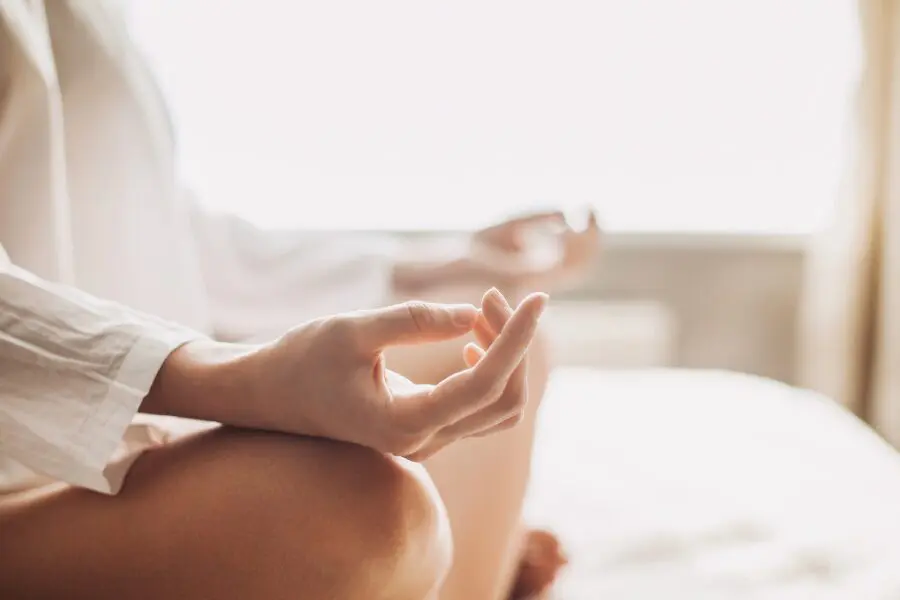
When anxiety strikes, the body’s fight-or-flight response can feel overwhelming. Mindful breathing interrupts this process by activating the vagus nerve, lowering heart rate, and reducing stress hormones. Practicing mindful breathing can foster calm and present-moment awareness even during challenging times.
Sit comfortably and relax your shoulders. Inhale through your nose for four counts, hold your breath for seven counts, and then exhale slowly through your mouth for eight counts. Repeat this cycle five times.
Incorporate this technique into your daily routine—at red lights, in elevators, or while watching a sunset. Setting a phone reminder labeled “Breathe” can help make it a habit. If breath work feels difficult, therapists offer personalized mindfulness sessions to help you adapt these techniques to your comfort level.
Pair mindful breathing with cues like the aroma of your morning coffee or the buzz of your smartwatch. These anchors calm into your daily life, supporting emotional balance and stress reduction.

The Ritual Of Restorative Sleep And Healthy Routines
Falling asleep can be difficult, especially when anxiety is present. Insomnia often worsens with irregular routines. According to CDC research, adults need at least seven hours of sleep each night for optimal mental health.
Dim screens an hour before bed to reduce blue light exposure, practice gentle stretches like cat-cow or child’s pose before sleep, and write your worries in a journal to set them aside for the night.
Therapists apply cognitive-behavioral techniques for insomnia, which have been shown to be more effective long-term than medication. If sleep problems continue after four weeks of healthy routines, professional guidance can help uncover underlying causes and provide a tailored plan. One client’s average time to fall asleep dropped from ninety minutes to twenty with structured CBT-I and telehealth support, demonstrating the effectiveness of evidence-based strategies.
Consistent sleep routines are crucial for managing anxiety and supporting emotional well-being.
Harnessing Movement For Emotional Balance And Stress Relief
Physical activity is an essential anxiety management technique. Exercise releases endorphins and serotonin, which naturally elevate mood and reduce anxiety. Aim for 150 minutes of moderate movement per week, but remember that every bit of movement helps.
Take a morning walk along the beach, join a lunchtime yoga class, or play pickleball or other outdoor activities with family.
If you have mobility limitations, chair yoga or aqua aerobics are great alternatives. Shared activities can strengthen family bonds and improve mood. If motivation is low, therapy can address barriers such as perfectionism, fear of judgment, or fatigue, helping you set and achieve realistic goals.

Nourishing The Mind With Supportive Connections
Human beings thrive on connection. Social isolation can increase anxiety, but reconnecting does not require a large circle—quality matters most.
Schedule a weekly walk with a trusted friend, join a club or group that shares your interests, or participate in online support groups if time or mobility is limited.
Therapists provide both family counseling and individual therapy, offering safe spaces to build communication skills and strengthen relationships. Telehealth options make support more accessible across the region.
Even simple gestures, such as sending a brief message to someone you care about, can reinforce emotional well-being and act as a buffer against stress.
Embracing Self-Compassion And Professional Guidance
Self-compassion is a powerful tool for reducing anxiety. Research by Dr. Kristin Neff shows that treating yourself with the same kindness you would offer a friend reduces rumination and builds resilience.
Place a hand over your heart and silently acknowledge your efforts during tough times. Transform “should” statements into “could” statements to reduce self-imposed pressure.
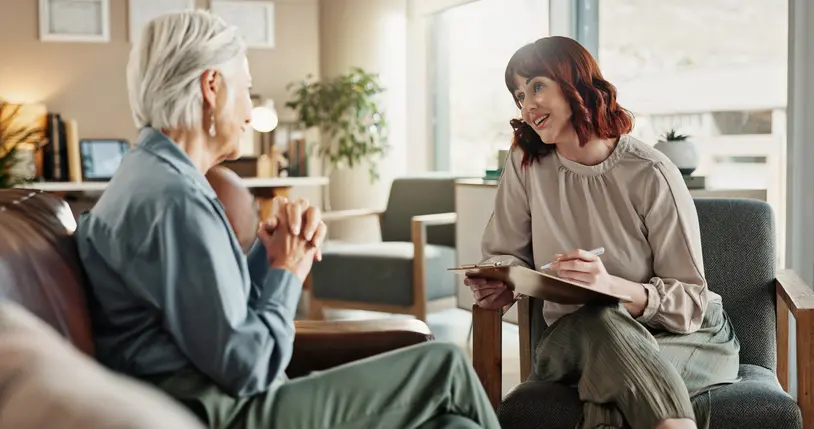
If self-compassion feels unfamiliar, therapy can provide tools to develop this essential skill. Confidential sessions—either in-person or via secure telehealth—using evidence-based approaches such as mindfulness, cognitive-behavioral, and acceptance therapies. Treatment is tailored for individuals, couples, and families to ensure effective support.
Seeking help is a proactive step for long-term mental health, much like preventive checkups for physical health.
Key Takeaways
Mindful breathing calms the nervous system.
Consistent sleep routines enhance focus and mood.
Physical movement reduces stress and anxiety.
Supportive relationships protect emotional well-being.
Self-compassion and professional support accelerate healing.
Empowering Your Journey To Lasting Calm
Managing anxiety daily is possible through small, consistent actions. Begin with mindful breathing, add gentle stretches, plan outdoor activities, reach out to friends, and nurture self-compassion. If you encounter challenges, support is available. Suzanne Simpson PhD. provides confidential, compassionate care in person in San Diego and statewide via telehealth, helping you transform anxiety management techniques into lifelong habits.
Consistently practicing these self-care strategies for anxiety can transform your daily life and foster lasting calm. Embrace mindfulness, build healthy routines, and seek support as needed. Take the next step toward well-being by connecting with Suzanne Simpson PhD. for personalized guidance.
References
Mindfulness and Meditation Benefits
Exercise and Anxiety Reduction
Balanced Diet for Brain Health
Adequate Sleep Recommendations
Social Support and Mental Health
Limiting Stimulants Guidance
Relaxation Techniques Efficacy