
Motivation and Your Child
As a psychologist working with children, adolescents, and their families, every week I hear a parent ask me for assistance in motivating their child. Questions often resemble this one from a single parent, who asked, "He's got an IQ of 140, and he's getting bad grades in all of his classes. What should I do?"
This is a question about motivation, the whys of human behavior. What people do, how, when, and where they do it are comparatively easy to observe. Why we do is the subject matter of motivation. It lets us find in what is done, context, and direction. Further, motivation gives intensity to behavior. People work harder toward one goal than another.
The aspect that seems most important to parents is how this affects their children's and adolescents' learning, school performance, and behavior.
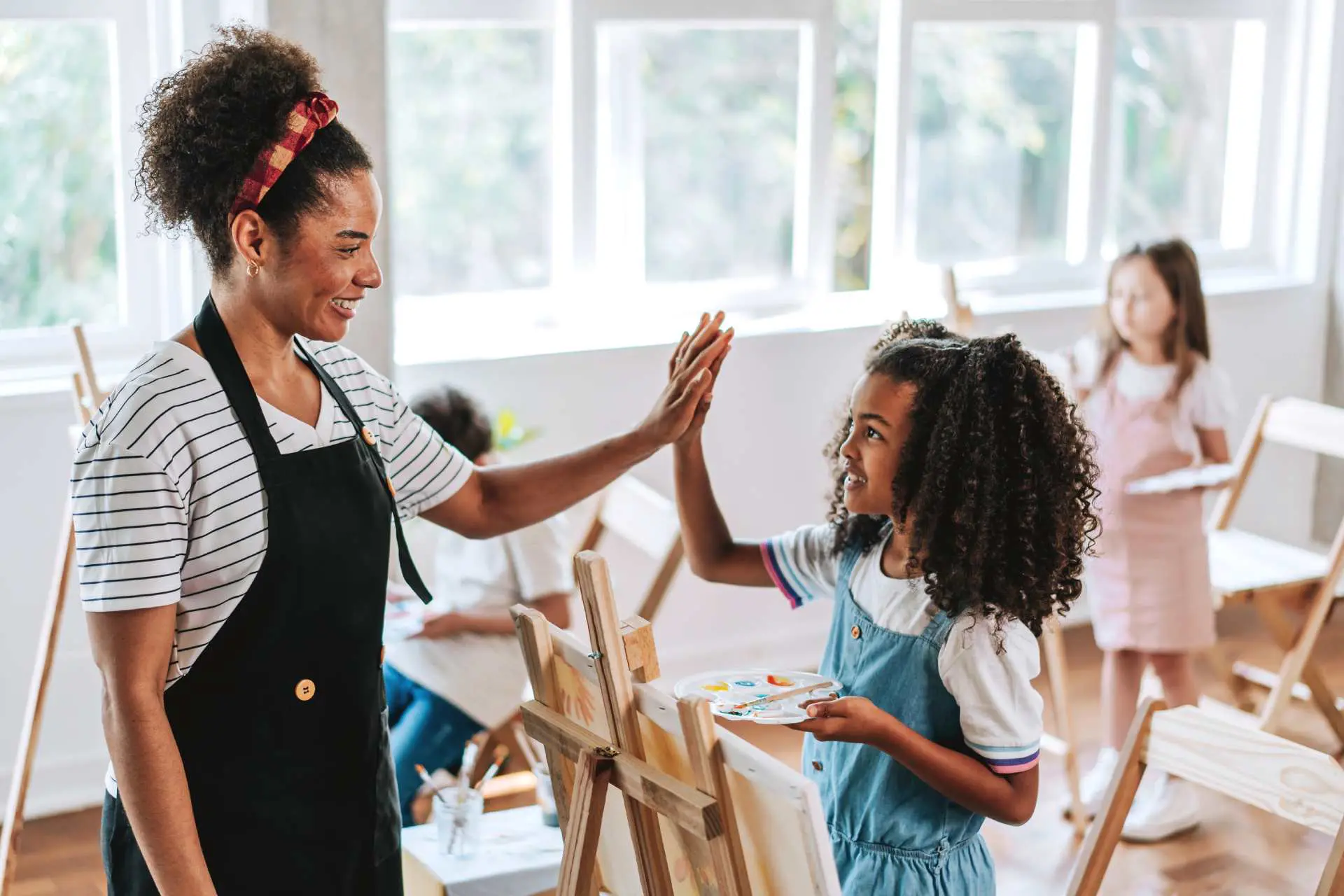

Encouraging Healthy Motivation
Most parents and teachers are concerned about their children's motivation. There is a feeling that early so-called proper motivation and self-motivation carry over into children's adult lives. Observations, experiences, and research seem to bear out this feeling. The child who does well in school usually does better at work later.
This, then, reinforces parents who spend time, energy, and worry on ways to motivate their child or adolescent. Theories have shown that motivation flows from numerous sources and can be directed in multiple channels. However, most parents use the term motivation in the sense of assisting their children to learn, grow, and achieve objectives that conform to the family's and not the child's ideas of success.
It is important to remember that there is no universal schedule for children to achieve success. Every child's inner timetable motivates her to learn in various subjects at various moments and rates.
It is recommended that, as parents, you strive to set your standards and limits, and assist your children in striving for excellence.
Your child needs to know that worthwhile effort is reinforced in their learning to discriminate between good and poor tries. Most importantly, your children benefit from feeling that others in their life approve of effective tries that do not necessarily lead to success.
Children experiment with their abilities and interests. This causes motivation that should be reinforced.
Guidelines for Motivation
Real concern for your child, watchful interest in them, and open communication are the primary keys to motivation.
Children and adolescents are flexible and resilient and grow in spite of imperfect human and material environments. However, parents can assist them in developing emotionally, intellectually, and psychologically. As you do, remember the following guidelines:
