Children & Teens Psychology
I love working with children and teens because of the impact therapy can have in a short time. In adults it is not unusual to see dysfunctional patterns that began in early life and then had devastating effects later. When working with children, psychologists can have an impact before the dysfunctional pattern becomes entrenched.
Adults can live most of their lives with a troubling belief that they later find to be inaccurate, which leads to confusion and misunderstanding. When working with children, such beliefs can be challenged before they interfere with one's life and cause psychological problems.
I work with children of all ages and believe it is very important to know their developmental stages. Luckily for psychologists, there is much valuable research which helps us understand children. For example, Piaget has been very helpful in describing how—cognitively—a child's view of the world is not the same as an adult's. Children unfold in stages and the process takes 22 years according to Erikson, a well-known social psychologist.

Children often do not have words to express themselves and their world. For example, this is a drawing by a seven-year-old girl, who is unsure of what is being said in her surroundings, and may spend time eavesdropping (Big Ears). (picture on right) In this particular case, the girls' parents are getting a divorce.
Children exhibit various capabilities at various times, according to their age or developmental maturation. For example, if a 5-year-old is told to wash her hands, get dressed, brush her teeth, and bring in the newspaper, she most likely would be overwhelmed. Sometimes adults see a child's ability to follow through as the child's being obstinate when in actuality, the child is confused and, in that moment, incapable of accomplishing certain tasks.
Additionally, children under five have difficulty answering "why" questions, so that a parent may think the child is being unresponsive or stubborn, when in reality the child is simply confused. Over time, well-meaning parents unaware of these developmental limitations may create an environment where children feel anxious, resulting in their lower self-esteem.
Teenagers have their own complex issues, especially in the area of peer relationships, which are crucial for teen development. Teens need to explore their roles within their peer group; puberty greatly affects this exploration. Often teenagers find themselves in roles for which they are unprepared, leaving them ill-equipped to manage further challenges. Older teens are often expected to make life decisions about college and beyond. Feelings of confusion and inadequacy may result, and may isolate teens from their parents.
In addition to teenagers and small children, my practice addresses the needs of infants as young as one year old with issues of separation anxiety, the ability to bond, and attentional abilities. Issues unaddressed in these areas may manifest as dependency, aggression, and poor performance. (Poor performance in what? Dependency on what?) Effective modes of treatment in children's therapy include:
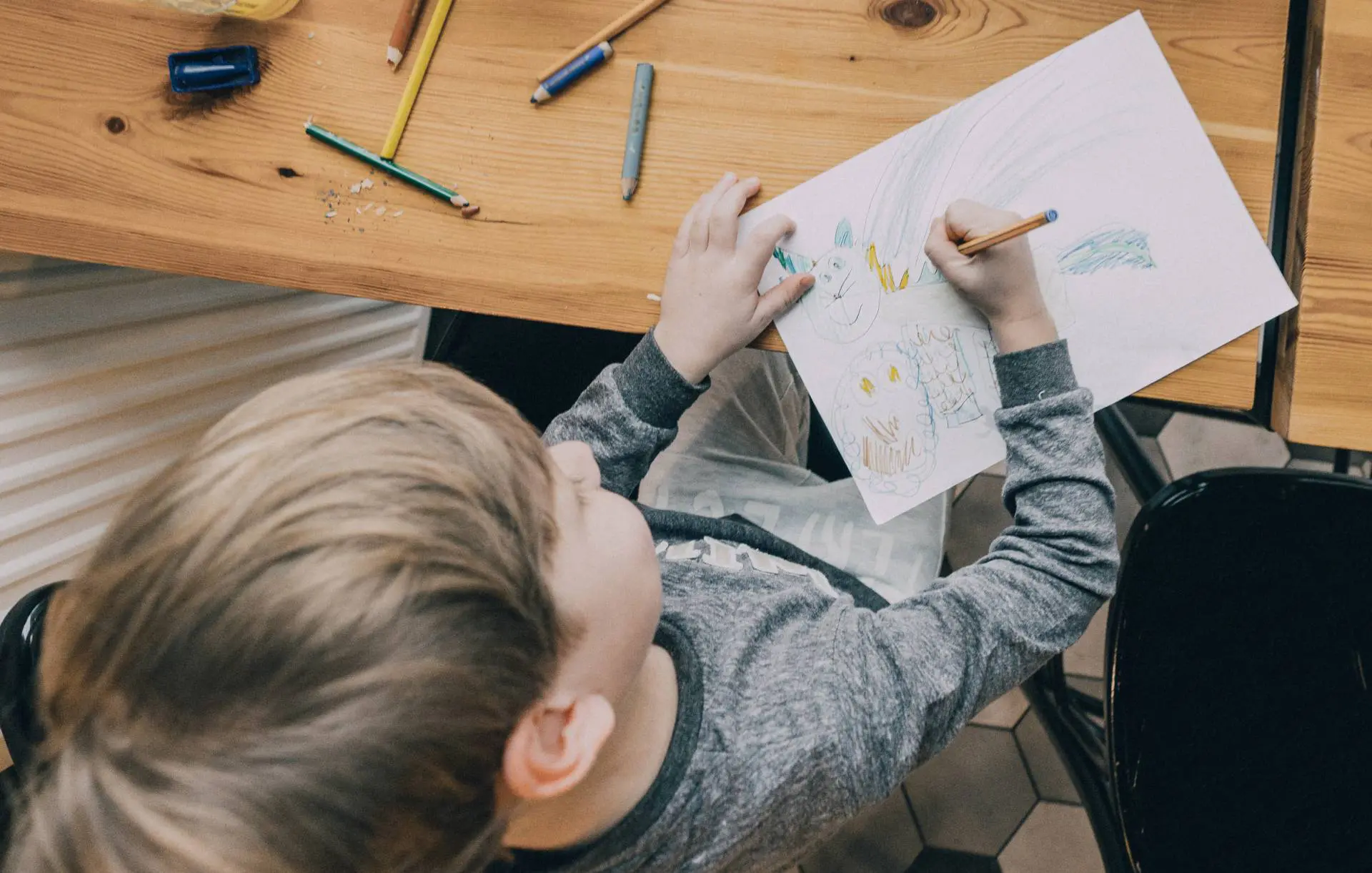
Art Therapy, which helps establish rapport, diagnosis, and treatment.

Role Play, which consists of rehearsing desired behavior and learning empathy for others.