
Emotional Disturbance
Definition Of Emotional Disturbance
Many terms are used to describe emotional, behavioral or mental disorders. Currently, students with such disorders are categorized as having a serious emotional disturbance, which is defined under the Individuals with Disabilities Education Act (IDEA), Public Law 101-476, as follows:
Emotional disturbance is defined as follows:
(i) The term means a condition exhibiting one or more of the following characteristics over a long period of time and to a marked degree that adversely affects a child's educational performance:
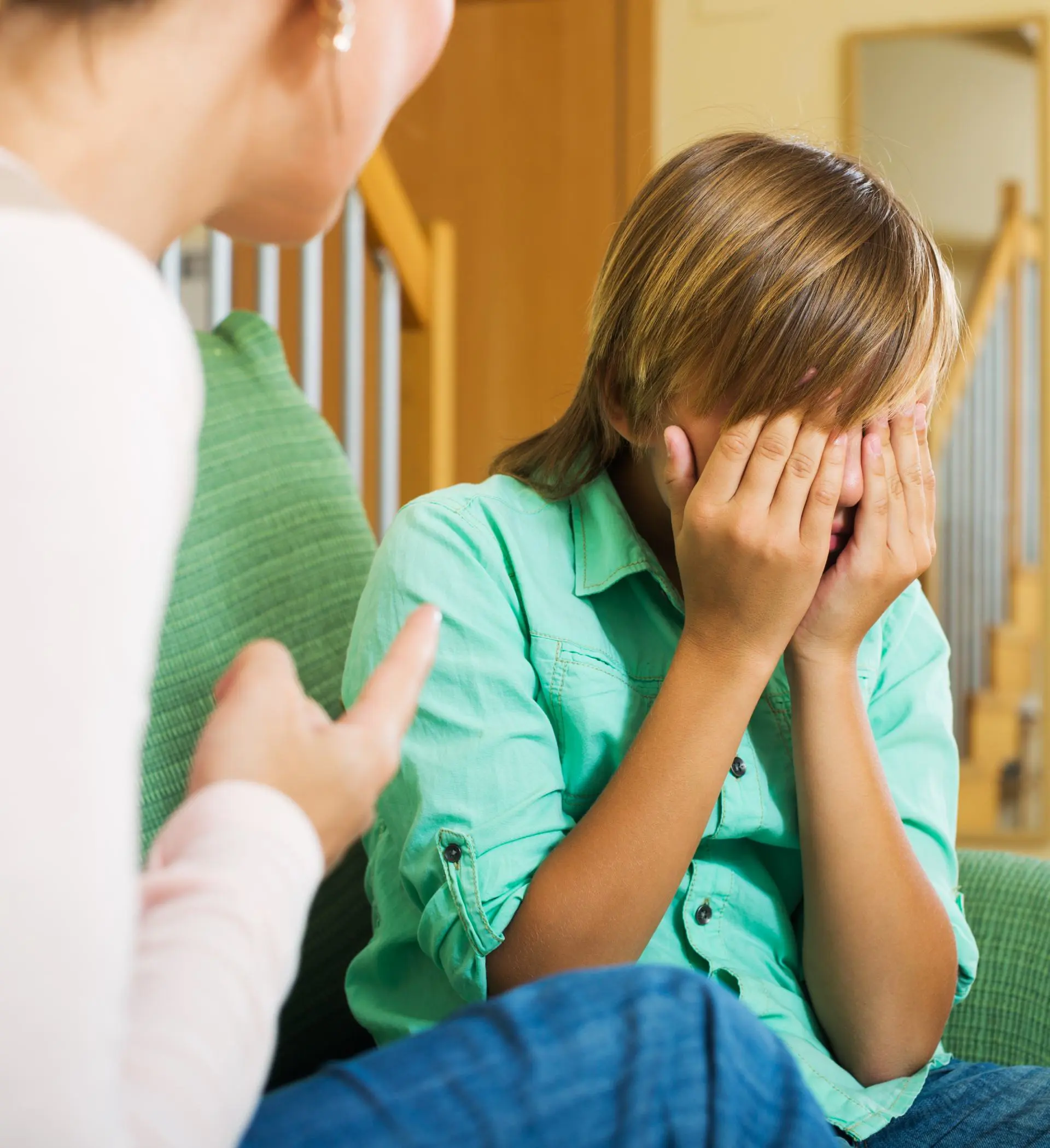
Treatment
Children who qualify for special education may receive psychological services and counseling as part of their Individual Education Plan. Parents should consider this entitlement when planning for the needs of their children.
Incidence
For the school year 1994-95, 428,168 children and youth with a serious emotional disturbance were provided services in the public schools (Eighteenth Annual Report to Congress U.S. Department of Education, 1996).
Characteristics
The causes of emotional disturbance have not been adequately determined.
Although various factors such as heredity, brain disorder, diet, stress, and family functioning have been suggested as possible causes, research has not shown any of these factors to be the direct cause of behavior problems.
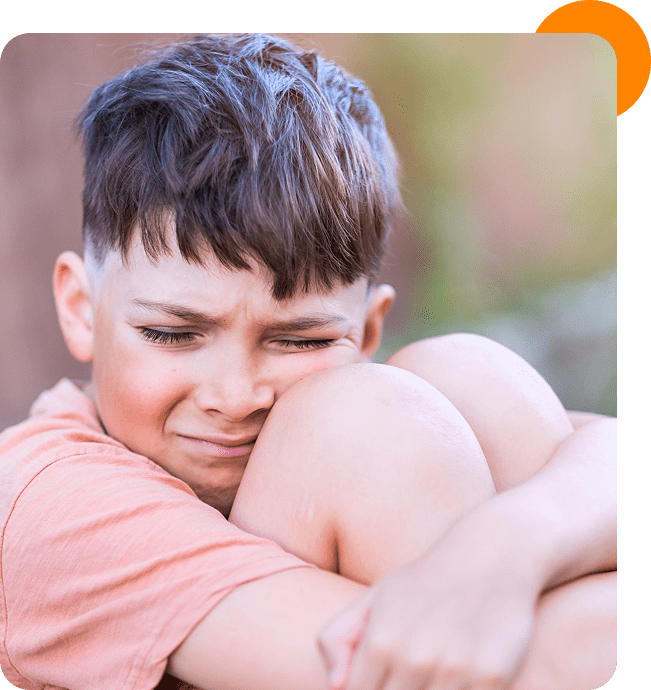
Some of the characteristics and behaviors seen in children who have emotional disturbances include:
Children with the most serious emotional disturbances may exhibit distorted thinking, excessive anxiety, bizarre motor acts, and abnormal mood swings and are sometimes identified as children who have a severe psychosis or schizophrenia.
Many children who do not have emotional disturbances may display some of these same behaviors at various times during their development. However, when children have serious emotional disturbances, these behaviors continue over long periods of time. Their behavior thus signals that they are not coping with their environment or peers.
Educational Implications
The educational programs for students with a serious emotional disturbance need to include attention to mastering academics, developing social skills, and increasing self-awareness, self-esteem, and self-control. Career education, both academic and vocational programs, is also a major part of secondary education and should be a part of every adolescent's transition plan in his or her Individualized Education Program (IEP).
Behavior modification is one of the most widely used approaches to helping children with a serious emotional disturbance. However, there are many other techniques that are also successful and may be used in combination with behavior modification. Life Space Intervention and Conflict Resolution are two such techniques.
Students eligible for special education services under the category of serious emotional disturbance may have IEPs that include psychological or counseling services as a related service. This is an important related service which is available under the law and is to be provided by a qualified social worker, psychologist, guidance counselor, or other qualified personnel.
There is growing recognition that families, as well as their children, need support, respite care, intensive case management services, and multi-agency treatment plans. Many communities are working toward providing these wrap-around services, and there are a growing number of agencies and organizations actively involved in establishing support services in the community.
Parent support groups are also important, and organizations such as the Federation of Families for Children's Mental Health and the National Alliance for the Mentally Ill have parent representatives and groups in every state. Both of these organizations are listed under the resource section of this fact sheet.

Other Considerations
Families of children with emotional disturbances may need help in understanding their children's condition and in learning how to work effectively with them. Help is available from psychiatrists, psychologists or other mental health professionals in public or private mental health settings.
Children should be provided services based on their individual needs, and all persons who are involved with these children should be aware of the care they are receiving. It is important to coordinate all services between home, school, and therapeutic community with open communication.
Resources
Organizations
National Clearinghouse on Family Support and Children's Mental Health
Portland State University
P.O. Box 751
Portland, OR 97207-0751
For your state CASSP (Children and Adolescent Service System Program) office and State Mental Health Representative for Children, call NICHCY (1-800-695-0285) and ask for a State Resource Sheet for your state.
This fact sheet is made possible through Cooperative Agreement #H030A30003 between the Academy for Educational Development and the Office of Special Education Programs. The contents of this publication do not necessarily reflect the views or policies of the Department of Education, nor does mention of trade names, commercial products or organizations imply endorsement by the U.S. Government.
This information is in the public domain unless otherwise indicated. Readers are encouraged to copy and share it, but please credit the National Information Center for Children and Youth with Disabilities (NICHCY).